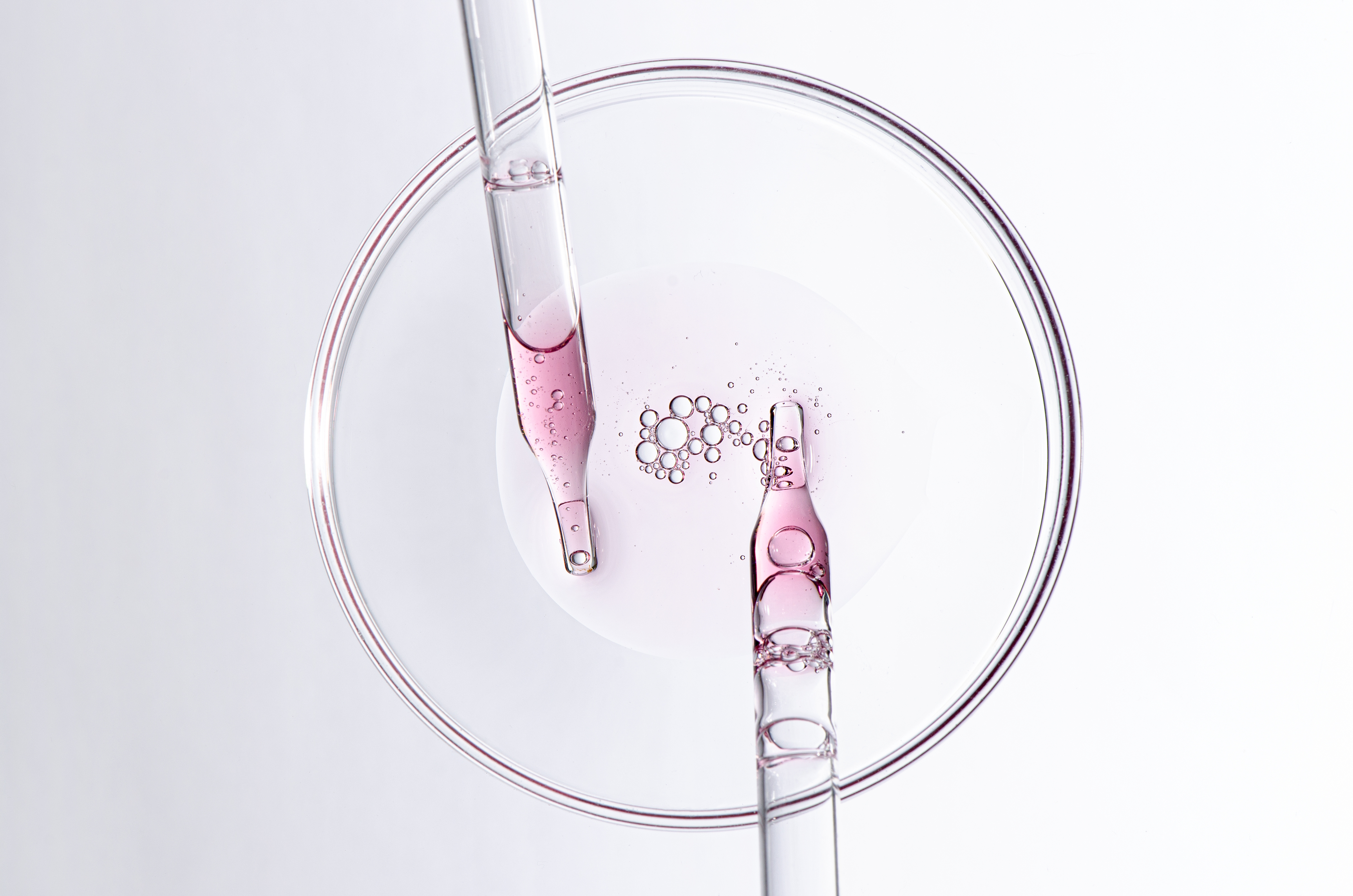
Toning is one of those categories that often stays in a routine long after its role has become less clear. That does not make it unnecessary. It simply means it deserves to be looked at with more precision.
There are routines in which toning remains quietly useful. There are others in which it is no longer doing anything distinct. The difference lies less in the category itself and more in what the formulation is actually there to do.
A Step That Has Changed Its Meaning
There was a time when toning served a more obvious function. It helped remove cleanser residue, rebalance the skin after harsher washing methods, and prepare the surface for what followed.
Cleansers are now, in many cases, more considered. Routines are more complete. Which means toning no longer carries the same automatic necessity it once did. But this does not make the step obsolete. It simply means its value now depends more heavily on purpose.
A step does not remain valuable simply because it remains familiar.

When a Step Becomes Habit
In some routines, toning is no longer a decision. It is a continuation. Applied because it sits between cleansing and treatment. Repeated because the routine feels incomplete without it.
But repetition alone does not make a step necessary. A more considered routine asks a quieter question: what is this step doing here, now, for this skin?
If the answer is clear, the step remains. If it is not, the routine may become more coherent without it.
What Toning Can Still Offer
When well-formulated, a toner can still be useful. It can introduce hydration, soften the transition between cleansing and treatment, carry supportive ingredients in a lighter form, and create a more continuous feel within the routine.
In certain routines, it may also help calm, rebalance, or prepare the skin to receive what follows with greater ease. This is where toning continues to hold value, not as a requirement, but as a considered layer.
Different Forms, Different Intentions
Not all toners behave in the same way, even when they share the same name. Some are structured to refine, using exfoliating acids to resurface and smooth. Some are designed to clarify, lightly tightening or reducing the appearance of excess oil. Some are intended to soothe, offering calm, light hydration, or reduction in visible irritation. Others exist primarily to prepare, introducing a layer of hydration that allows what follows to sit more comfortably on the skin.
These functions can appear similar on the surface, but they place very different demands on the skin. A resurfacing toner is not a neutral step. A hydrating toner, by contrast, is often supportive rather than corrective.
This distinction matters because the question is not whether a toner is present in the routine, but what role it is being asked to perform. When that role is understood, the step becomes precise.

When It Becomes Redundant
A step becomes less essential when its function is already fulfilled elsewhere. If the cleanser leaves the skin balanced and comfortable, and the next product in the routine already provides hydration, support, or appropriate preparation, toning may no longer be adding anything distinct.
In this context, it may simply be extending the routine. Extension is not always refinement.
Luxury in routine is not defined by the number of steps. It is defined by how well each step earns its place.
Refinement Through Editing
A well-structured routine does not rely on tradition. It relies on sequence and purpose. Each step should contribute something distinct, sit comfortably with what comes before and after it, and support the overall condition of the skin.
When a step fulfils these conditions, it belongs. When it does not, the routine can often become clearer without it. This is not minimalism for its own sake. It is editing in service of coherence.
Toning sits precisely in that space. For some, it remains a quiet support. For others, it is no longer required. Both can be correct.
What Remains
Toning does not need to be defended or dismissed. It only needs to be understood. As a step that may still serve the skin, but only when it has a clear role within the routine it sits in.
When that role is present, it integrates quietly. When it is not, the routine often becomes more refined without it.
Read next: Why Zinc Still Matters